
2026'da SEO Metin Yazarlığı Yazılımı: Nedir ve Neden Bir Ajansla Çalışmaktan Daha Avantajlıdır?
Neden İçerik İçin Para Kaybediyorsunuz (ve Ajans Modelinin Yerini Ne Aldı)
Tam olarak kontrol edemediğiniz blog yazıları için, etkileyemediğiniz bir takvimde yayınlanan içeriklere ajans ücreti olarak ayda 3.000–8.000 dolar harcıyorsunuz. Ya da kendi kaynaklarınızla ilerliyorsunuz ve bu harcamayı hiçbir şekilde haklı çıkaramıyorsunuz. Her iki durumda da, tutarlı ve anahtar kelime odaklı içeriğin ürettiği organik trafiği kaybediyorsunuz — ve daha küçük bütçelere sahip rakiplerinizin sizi geride bırakmasını izliyorsunuz çünkü onlar yapay zekanın küçük işletme SEO'su için gerçekte neyi değiştirdiğini anladılar.
Ajanslar, artık yazılımın dakikalar içinde yaptığı işler için saatlik ücret alıyor — anahtar kelime araştırması, SERP analizi, taslak oluşturma, optimizasyon, yayınlama. 2018'de makale başına 1.500 dolarlık fiyatlandırmayı haklı çıkaran emek modeli, artık araç değiştirmeye istekli her işletme sahibi için bir arbitraj fırsatı. Ajans tabanı makale başına 750 dolarda kalıyor; yazılım tabanı ise 20 dolara düştü. Bu fark, hikayenin tamamı.
2026'daki SEO metin yazarlığı yazılımı, süslenmiş bir ChatGPT komutu değildir. Kapalı döngü bir sistemdir: anahtar kelimeyi araştırır, ilk 10 SERP sonucunu analiz eder, makaleyi marka sesinizle yazar, iddiaları doğrular, meta etiketleri oluşturur, iç bağlantılar ekler ve WordPress, Shopify, Webflow, Wix veya Framer'a otomatik olarak yayınlar — her gün, siz giriş yapmadan. "İşte bir taslak" diyerek duran bir yapay zeka blog yazarı, işin %70'ini sizin omuzlarınıza bırakıyordu. Mevcut nesil ise işi bitiriyor.
Devamında, SEO metin yazarlığı yazılımının gerçekte ne yaptığını, makale başına maliyeti nasıl yaklaşık %80 düşürdüğünü, büyük platformların nasıl karşılaştırıldığını ve — gerçek bütçenize ve nişinize dayanarak — geçiş yapıp yapmamaya nasıl karar vereceğinizi ele alıyoruz.
İçindekiler
- İçerik Odaklı Büyüme İçin Ajans Ücret Modeli Neden Bozuldu
- SEO Metin Yazarlığı Yazılımı Gerçekte Ne Yapar (Genel Yapay Zeka Yazarlarına Karşı)
- Makale Başına Maliyet Hesabı: Ayda 99 Dolar, 5.000 Dolarlık Ücretin Yerini Nasıl Alır
- Sıralamalarınızı Gerçekten Hareket Ettiren Dört Yetenek
- Büyük Platformlar Nasıl Karşılaştırılır: Gerçek Karar Kriterleri
- Yazılım, Ajans veya Hibrit: Modeli Gerçek Kısıtlarınıza Uydurun
- Alıcıların SEO Metin Yazarlığı Yazılımına Geçmeden Önce Sorduğu Sorular
- 30 Günlük SEO Metin Yazarlığı Yazılımı Benimseme Kontrol Listeniz
İçerik Odaklı Büyüme İçin Ajans Ücret Modeli Neden Bozuldu
Ajanslar, premium fiyatlarla ayda dört makaleye ihtiyaç duyan müşteriler için kurulmuştu. Bu model, organik büyümenin bir anahtar kelime kümesi genelinde konusal otorite oluşturmak için ayda 15–30 makale gerektirdiği anda çöküyor. Ücret hesabı, artık var olmayan bir pazar için tasarlanmıştı.
2026'da içerik ekiplerinin neden ücret anlaşmalarından vazgeçtiğini beş belirli başarısızlık noktası açıklıyor:
Çıktıdan bağımsız sabit maliyet. Ücretler, dört ila sekiz makale için ayda 3.000–8.000 dolar arasında değişiyor. Ajans bir son teslim tarihini kaçırırsa fiyat düşmez. Sonuçlar için değil, kapasite için ödeme yapıyorsunuz. Bir çeyrek bittiğinde ve söz verilen sekiz makaleden yalnızca beşi teslim edildiğinde, fatura yine de tam ücret üzerinden kesilir. Düşük üretim için iade maddesi yoktur çünkü sözleşme, içerik çıktınızı değil, yazarlara erişiminizi fiyatlandırmıştır.
Teslim gecikmesi. Çoğu ajans, özet-son ürün döngüsü boyunca makale başına bir ila üç hafta harcar. Bir rakip Salı günü trend olan bir anahtar kelimeye içerik yayınlarsa, siz 3. Hafta'da yayınlıyorsunuz. Arama amacı, ajans iş akışlarından daha hızlı hareket eder ve yeni konular için anahtar kelime penceresi genellikle 14 gün içinde kapanır. Bir saat içinde yayınlayan yazılım, ajansların yapısal olarak yakalayamayacağı sıralamaları yakalar.
Yazarlar arasında ses seyrelmesi. Ajanslar, kapasiteye bağlı olarak işi üç ila sekiz serbest yazar arasında dağıtır. "Marka sesiniz", o hafta görevi kimin üstlendiğidir. Okuyucular, adını koyamasalar bile tutarsızlığı hisseder — ve Google'ın davranışsal sinyalleri katılım düşüşünü algılar. Ana sayfanızdan farklı okunan makalelerde hemen çıkma oranları fırlar.
Kaybolan anahtar kelime çevikliği. Google bir çekirdek güncelleme yayınladığında veya arama amacı değiştiğinde (örneğin bilgilendirici sorguların işlemsel hale gelmesi), bir hafta içinde 20 makaleyi değiştiremezsiniz. Ajansların yeni özetlere, yeni onaylara, yeni fatura döngülerine ihtiyacı var. Değişiklik teslim edildiğinde, sıralama penceresi kapanmıştır ve rakipleriniz yeni amaç kalıbında zaten üç makale ilerlemiştir.
Gizli genel giderler. Revizyon turları, Slack konuşmaları, durum görüşmeleri, sözleşme müzakereleri. Content Marketing Institute'un sektör araştırmaları, ajans ücret saatlerinin önemli bir kısmının — genellikle %25–30'unun — içerik üretimine değil, iletişime gittiğini tutarlı bir şekilde gösteriyor. Proje yönetimi işi için yazar ücretleri ödüyorsunuz.
Bu bir "daha iyi bir ajans bul" sorunu değildir. Bir birim ekonomisi sorunudur. Makaleleri 1.500 dolara fiyatlandıran emek modeli, insanların üretime giden tek yol olduğunu varsayıyordu. Yazılım sadece ajanslardan daha ucuz hale gelmedi — SEO getirilerini katlayan tutarlılık ve hız konusunda yapısal olarak daha iyi hale geldi. 2026'da hayatta kalacak ajanslar, yazılımı dahili olarak benimseyen ve emek üzerinden değil, strateji üzerinden yeniden fiyatlandıranlar olacak.
Asıl sorun ne yazacağınızı bilmemeniz değil. Sorun, başkasına yazdırmanın ekonomisinin, yapay zeka marka sesinizi öğrendiği anda ölçeklenmeyi durdurmuş olmasıdır.
SEO Metin Yazarlığı Yazılımı Gerçekte Ne Yapar (Genel Yapay Zeka Yazarlarına Karşı)
"Yapay zeka yazar" bir pazarlama duvar kağıdı haline geldi. ChatGPT'den Notion'a kadar her araç "SEO içeriği yazdığını" iddia ediyor. Farklar iş akışında gizli — özellikle taslaktan önce ve sonra ne olduğunda. Genel yapay zeka yazarları, üretim hattının orta %30'unu halleder. Tam SEO metin yazarlığı yazılımı ise tüm %100'ü halleder.
| Yetenek | Genel Yapay Zeka Yazarları | Temel SEO Araçları | Tam SEO Metin Yazarlığı Yazılımı |
|---|---|---|---|
| Anahtar kelime araştırması | Yalnızca manuel giriş | Veritabanı önerileri | Canlı SERP taraması + amaç kümeleme |
| Doğruluk kontrolü | Yok; halüsinasyonlar yaygın | Sınırlı; doğrulamadan alıntılar | Alıntılarla otomatik doğrulama |
| Marka sesi | Tek komut belleği | Stil kılavuzu yükleme | Çok makaleli ses öğrenme |
| Sayfa içi optimizasyon | Yazım sonrası öneriler | Yoğunluk ve okunabilirlik | Taslak sırasında canlı optimizasyon |
| İç bağlantı | Yok | Manuel öneriler | Anlamsal kümeleme, otomatik bağlantılar |
| Yayınlama | Kopyala-yapıştır dışa aktarma | Yalnızca WordPress eklentisi | 5+ CMS platformuna yerel API |
| Çok dilli | 10–20 dil, birebir | ~50 dil | Bölgesel SEO uyarlamasıyla 150+ |
| Görsel üretimi | Ayrı araç gerekli | Stok kütüphanesi | Makale başına markaya uygun görseller |
Dört ayırt edici özellik, bu karşılaştırmanın hangi tarafının yatırım getirisi sağladığını tutarlı bir şekilde belirler.
Birincisi, iş akışı kapalı döngüdür. Genel yapay zeka yazarları, sizi beş veya altı aracı bir araya getirmeye zorlar — anahtar kelime araştırması, rakip analizi, taslak oluşturma, doğruluk kontrolü, görsel kaynağı, CMS yükleme. Tam SEO metin yazarlığı yazılımı, tüm döngüyü tek bir platformda yürütür. Zincirleme bir iş akışındaki her aktarım, sürtünme ve dakika ekler; bunları ortadan kaldırmak, yayınladığınız her makalede zaman tasarrufunu katlar.
İkincisi, yatırım getirisinin gerçekte yattığı yer yayınlama otomasyonudur. Harika bir makale yazan ama onu manuel olarak WordPress'e kopyalamanızı, başlıkları biçimlendirmenizi, meta etiketler oluşturmanızı, görselleri yüklemenizi ve zamanlamanızı gerektiren bir araç, işin %70'ini kurtarmış ama en sıkıcı %30'unu bırakmıştır. Günlük otomatik yayınlama, bu son sürtünmeyi ortadan kaldırır.
Üçüncüsü, çok dilli derinlik, işletmelerin ihtiyaç duyana kadar beklediğinden daha fazla önem taşır. İspanyolca, Portekizce, Fransızca, Japonca veya Almanca pazarlara satış yapıyorsanız, "çeviriyi destekler" ile "bölgesel SEO ile 150 dilde yerel olarak yayınlar" aynı ürün değildir. Bölgesel uyarlama, yalnızca kelime değişimini değil, pazarlar arası arama amacı kaymalarını da halleder.
Dördüncüsü, doğruluk kontrolü artık bir kalite lüksü değil, bir sıralama kaldıracıdır. Arama Kalitesi Değerlendirici Kılavuzu'nda kodlanan Google'ın E-E-A-T çerçevesi, doğrulanamayan iddiaları bir güven sinyali başarısızlığı olarak değerlendirir. Yayınlamadan önce alıntıları doğrulayan yazılım, otoriteyi korur. Bunu yapmayan yazılım ise sıralamalarınızı aktif olarak baskılayabilir.
Makale Başına Maliyet Hesabı: Ayda 99 Dolar, 5.000 Dolarlık Ücretin Yerini Nasıl Alır
Pazarlama dilini atlayın. İşte gerçek dolar hesabı, üretim aşamasına göre ayrıştırılmış, bir ajansın aldığı ücret ile yazılımın aynı çıktıyı sunma maliyetini karşılaştırıyor.
- Araştırma Aşaması — Ajans Modeli: Bir yazar veya stratejist, anahtar kelime araştırması, rakip SERP analizi ve konu taslağı için saatte 75–150 dolar üzerinden 4–6 saat fatura keser. Gerçek maliyet: makale başına 300–900 dolar. Oranlar Clearvoice içerik ücretleri raporundan alınmıştır.
- Araştırma Aşaması — Yazılım Modeli: Yazılım, ilk 10 SERP sonucunu otomatik olarak tarar, anlamsal anahtar kelimeleri kümeler, içerik boşluklarını belirler ve bir özet çıkarır. İnsan incelemesi beş dakika sürer. Gerçek maliyet: tahsis edilen yazılım maliyetinde makale başına yaklaşık 4 dolar artı ihmal edilebilir editör zamanı.
- Yazma Aşaması — Ajans Modeli: 1.500 kelimelik bir makale için taslak oluşturma, saatte 75–150 dolar üzerinden 3–4 saat sürer. Her biri bir saatlik 2–3 revizyon turu ekleyin. Gerçek maliyet: makale başına 525–1.050 dolar.
- Yazma Aşaması — Yazılım Modeli: Yazılım, tam bir taslağı 8–12 dakikada oluşturur. Bir insan editör, sesi iyileştirmek ve işaretlenen gerçekleri doğrulamak için 25–30 dakika harcar. Gerçek maliyet: editör zamanında makale başına yaklaşık 15–25 dolar.
- Optimizasyon ve Yayınlama — Ajans Modeli: SEO kontrolleri, manuel meta etiket yazımı, görsel kaynağı, WordPress yükleme, iç bağlantı eklemesi ve zamanlama, 1–2 saatlik yönetim emeği tüketir. Gerçek maliyet: makale başına 75–300 dolar.
- Optimizasyon ve Yayınlama — Yazılım Modeli: Otomatik oluşturulan meta etiketler, markaya uygun görsel üretimi, akıllı iç bağlantı, WordPress, Shopify, Webflow, Wix veya Framer'a tek tıkla yayınlama. Gerçek maliyet: 0 dolar ek.
- Hacim Gerçeği — Ajans: Ayda dört makale, her biri 1.000–2.000 dolar, dört içerik parçası için ayda 4.000–8.000 dolar eder.
- Hacim Gerçeği — Yazılım: Ayda 25–30 makale, sabit 99 dolar artı yarı zamanlı editör gözetimi için ayda yaklaşık 400 dolar, 25–30 parça için ayda yaklaşık 500 dolar eder.
- Yıllık Fark: Ajans yıllık: 48 makale için 48.000–96.000 dolar. Yazılım yıllık: 300+ makale için yaklaşık 6.000 dolar. İlk yıl tasarrufu: ücret katmanına bağlı olarak yaklaşık 42.000–90.000 dolar.
- Kritik Yeniden Çerçeveleme: Yazılım, karar verici olan sizi değiştirmez. Ücret bütçenizi tüketen manuel araştırma, taslak oluşturma, biçimlendirme ve yayınlama emeğini değiştirir. Stratejik yargınız tüm değer katmanı haline gelir — ve kendi kaynaklarıyla ilerleyen operatörlerin ve küçük işletme kurucularının zaten avantajlı olduğu yer burasıdır.

Ajans modeli, araştırma, yazma ve yayınlama için makale başına 1.500 dolar ücret alır. Yazılım artı düzenleme ise 20 dolara mal olur. Bu fark ölçekte küçülmez — büyür.
Sıralamalarınızı Gerçekten Hareket Ettiren Dört Yetenek
Çoğu "SEO yazılımı" özelliği, sıralama sinyalleri kılığına girmiş gösteriş metrikleridir. Kelime sayısı ölçerleri, anahtar kelime yoğunluğu çubukları, okunabilirlik puanları — hiçbiri 2026'da sıralamalarla ilişkili değildir. Aşağıdaki dört yetenek, katlanan yeteneklerdir ve herhangi bir SEO metin yazarlığı yazılımını abone olmadan önce değerlendirmeniz gereken yeteneklerdir.
Taslak Sırasında Gerçek Zamanlı SERP Analizi (sonra değil). Yanlış iş akışı: makaleyi yaz, sonra "optimize edilmiş" olup olmadığını kontrol et. Doğru iş akışı: taslak oluştururken ilk 10 sıralanan sayfayı, rakip başlık yapıları, kelime sayıları ve içerik boşlukları canlı olarak ortaya çıkarılmış şekilde gör. Örnek: SEO metin yazarlığı yazılımı hakkında yazıyorsunuz. Gerçek zamanlı SERP analizi, rakiplerin "yapay zeka yazma otomasyonu" ve "otomatik içerik yayınlama" konularını yoğun bir şekilde ele aldığını ancak "yayınlama entegrasyonlarına" az ağırlık verdiğini gösterir. Yetenekli bir anahtar kelime araştırma yazılımı katmanı, sizi yayınlamadan önce entegrasyon açısını genişletmeye yönlendirir. Bunu yayın sonrası tamamlamak üç kat çaba gerektirir ve nadiren kaybedilen sıralama penceresini geri kazanır. Yayın öncesi optimizasyon kalıcıdır; yayın sonrası yama, çürüme yönetimidir.
E-E-A-T'yi Koruyan Doğruluk Kontrolü. Google'ın Aralık 2022 Faydalı İçerik Güncellemesi ve 2023 E-E-A-T genişletmesi, doğrulanamayan iddiaları doğrudan bir sıralama sorumluluğu haline getirdi. Alıntılanmış, doğrulanabilir istatistiklere sahip makaleler güven sinyalleri oluşturur; halüsinasyonlu istatistiklere sahip makaleler baskılanır. Yayınlamadan önce canlı kaynaklara karşı doğruluk kontrolü yapan SEO metin yazarlığı yazılımı, sizi manuel yazarların düzenli olarak tetiklediği bir cezalar sınıfından korur. Çoğu ajans doğrulama geçişleri yapmaz — yazarın araştırmasına güvenirler. Yazılım, izlenene kadar hiçbir iddiaya güvenmez. Bu, bir özellik değil, yapısal bir avantajdır.
Anlamsal İç Bağlantı ("/about'a bir bağlantı ekle" değil). İç bağlantı, Search Engine Journal'ın sıralama faktörü analizleriyle defalarca doğrulanmış birinci sınıf bir sayfa içi sıralama faktörüdür. Kötü iç bağlantı, genel bağlantı metinleri ("buraya tıklayın") ve rastgele yerleşim kullanır. İyi iç bağlantı, anlamsal kümeleri haritalandırır: SEO metin yazarlığı yazılımı hakkındaki yeni bir makale, anahtar kelime araştırması, içerik otomasyonu ve SEO ortağı seçimi hakkındaki makalelerinize bağlamsal bağlantı metniyle otomatik olarak bağlanmalıdır. Bu haritayı otomatik olarak oluşturan yazılım, çoğu ajansın talep etmeyi unuttuğu sıralama değerini yakalar. Manuel iç bağlantı yedinci makalede ölür; anlamsal kümeleme ise yedi yüzüncü makaleye kadar ölçeklenir.
20+ Makale Boyunca Marka Sesi Tutarlılığı. Ses tutarlılığı bir marka gösteriş metriği değildir — bir katılım sinyalidir. Okuyucular sesinizi makaleler arasında tanıdığında, sayfada geçirilen süre artar, kaydırma derinliği artar ve geri dönüş ziyaretleri artar. Üçü de Google'ın içerik kalitesi olarak yorumladığı davranışsal sinyallerdir. İşi birden fazla serbest çalışan arasında dağıtan ajanslar, bu tutarlılığı ölçekte sunamaz; beş yazara verilen tek bir marka sesi belgesi, beş farklı çıktı üretir. Mevcut içeriğinizle eğitilmiş bir yapay zeka blog yazarı, sesi insan ekiplerinden ölçülebilir şekilde daha yüksek tutarlılıkla yeniden üretir çünkü bir stil kılavuzunu göz gezdirmek yerine 50 makale okur.
Her yetenek tek başına pratikte %10–20 artış üretir. Birlikte ise katlanırlar. Sıralanan (SERP analizi), güven kazanan (doğruluk kontrolü), sitenizden otorite geçiren (iç bağlantı) ve markanızı pekiştiren (ses tutarlılığı) bir makale, tek başına iyi yazılmış genel bir parçadan üç ila dört kat daha iyi dönüşüm sağlar. Bu katlanma, ayda 99 dolarlık yazılım yığınının ayda 5.000 dolarlık ajansı yalnızca maliyet açısından değil, sıralama hızı açısından da geride bırakmasını sağlayan şeydir.
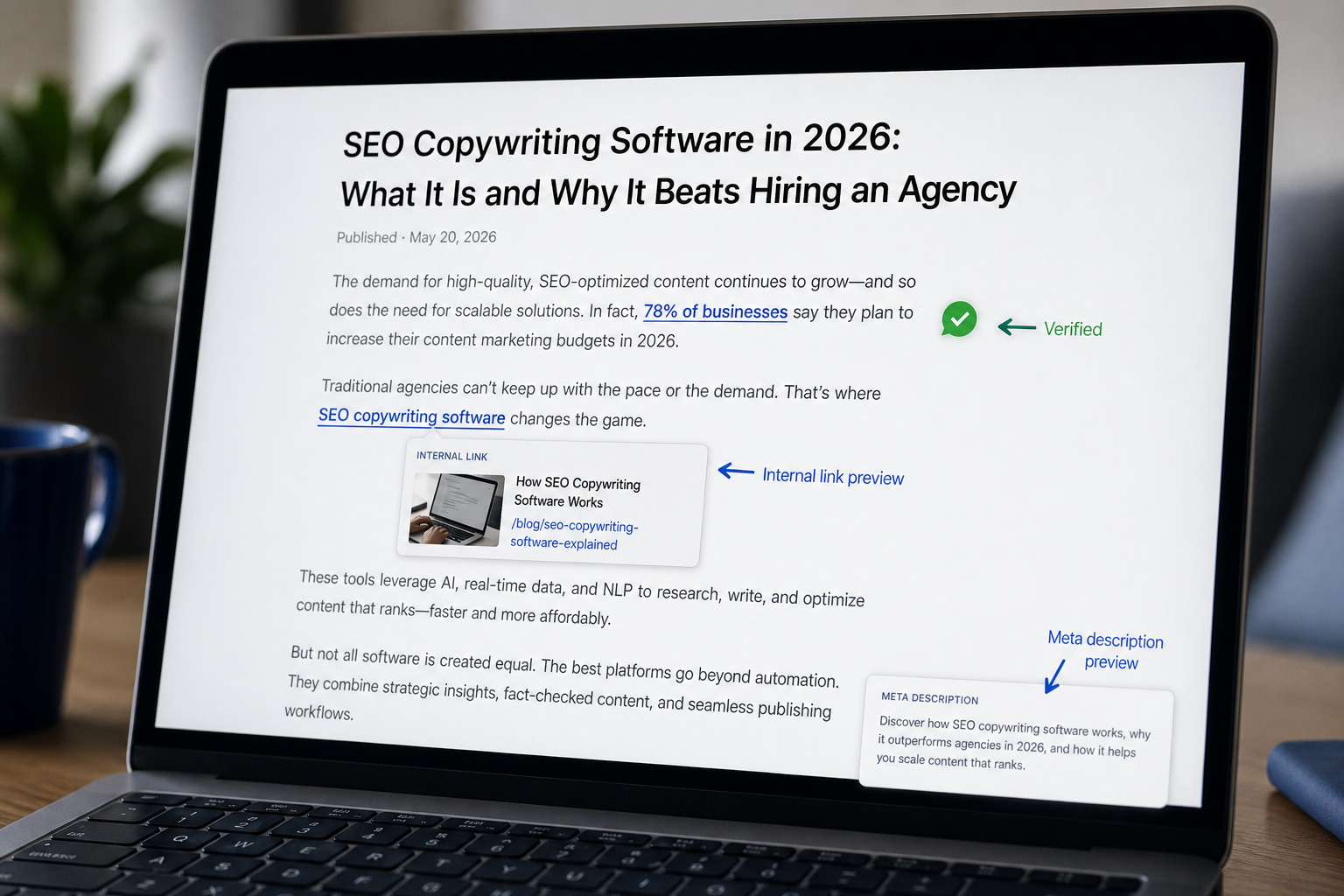
Doğrulanmamış tek bir istatistik, tüm bir makaleyi baskılayabilir. Eksik tek bir iç bağlantı, sıralama potansiyelinin %40'ını boşa harcayabilir. SEO metin yazarlığı yazılımı, her ikisini de yayınlamadan önce yakalar.
Büyük Platformlar Nasıl Karşılaştırılır: Gerçek Karar Kriterleri
Pazarlama sayfaları karşılaştırmayı gizler. İşte yanlış araca ayda 100–500 dolar harcamak üzereyken önemli olan yan yana karşılaştırma. Aşağıdaki kriterler, özellik kontrol listeleri değil, yatırım getirisini gerçekte neyin yönlendirdiğine — yayınlama erişimi, dil derinliği ve toplam yığın konsolidasyonuna — göre ağırlıklandırılmıştır.
| Kriter | GrowthBar | ScaleNut | Frase |
|---|---|---|---|
| Başlangıç fiyatı/ay | 36 $ | 39 $ | 15 $ |
| Üst düzey fiyat/ay | 199 $ | 149 $ | 115 $ |
| Diller | ~15 | ~30 | ~25 |
| Yayınlama entegrasyonları | WordPress | WordPress, Shopify | WordPress |
| Günlük otomatik yayınlama | Hayır | Zamanlanmış (manuel) | Hayır |
| Kriter | SearchAtlas | Surfer | Aymartech |
|---|---|---|---|
| Başlangıç fiyatı/ay | 99 $ | 89 $ | 99 $ (sabit) |
| Üst düzey fiyat/ay | 299 $+ | 219 $ | 99 $ (sabit) |
| Diller | ~50 | ~40 | 150+ |
| Yayınlama entegrasyonları | WordPress | WordPress, Webflow | WP, Webflow, Shopify, Wix, Framer |
| Günlük otomatik yayınlama | Zamanlanmış | Zamanlanmış | Evet (tamamen otomatik) |
Fiyatlandırma, plan oluşturma tarihi itibariyle her satıcının herkese açık fiyatlandırma sayfasını yansıtır. Dört gözlem kararınızı yönlendirmelidir:
Yayınlama entegrasyonları sessiz yatırım getirisi katilidir. Shopify, Wix veya Framer kullanıyorsanız, GrowthBar ve Frase sizi manuel kopyala-yapıştıra zorlar. Bu tek iş akışı boşluğu, aracın sunması gereken zaman tasarrufunu ortadan kaldırır. WordPress dışı kullanıcılar için bunu yalnızca Surfer (Webflow) ve daha geniş yerel yayınlama platformları çözer. Ayda 30 kez tekrarlanan 25 dakikalık manuel yayınlama adımı, yazılımın ortadan kaldırması gereken 12,5 saatlik büro işidir.
Sabit fiyatlandırma, ölçekte hesabı tersine çevirir. Çoğu rakip, özellik kapılarına göre kademelendirir — doğruluk kontrolü, daha fazla makale, daha fazla anahtar kelime takibi — kararlı kullanıcıları bir yıl içinde ayda 50 dolardan 250 dolar+'a iter. Sabit 99 dolar, maliyetinizin makale başına, hacminiz arttıkça azalması anlamına gelir. Ayda 30 makale yayınlayın ve makale başına yaklaşık 3,30 dolarda olun. Surfer'ın 219 dolarlık planında, makale başına en az yaklaşık 7,30 dolardasınız ve bu, içerik kredileri tükenmeden önce.
Küresel işletmeler için 150+ dil bir gösteriş istatistiği değildir. B2B SaaS veya e-ticaret ürünlerini birden fazla pazara satıyorsanız, 30 dilli araçlar ya kötü makine çevirisi ya da iki abonelik yürütmek anlamına gelir. Tam dil derinliği bu operasyonel vergiyi tamamen ortadan kaldırır ve tek bir editörün çok pazarlı bir içerik takvimini yönetmesine olanak tanır.
Doğruluk kontrolü ve görsel üretimi, iki ayrı araç aboneliğini ortadan kaldırır. Çoğu iş akışı, bir SEO yazarını (~50 dolar/ay), doğrulama için Grammarly veya Originality.ai (~20 dolar/ay) ve Midjourney veya stok fotoğraf abonelikleriyle (~30 dolar/ay) eşleştirir. Üçünü de tek bir sabit ücrette birleştirmek, toplam yığın maliyet farkını ana fiyatlandırmanın gösterdiğinden ziyade ayda 150–200 dolara yaklaştırır.
Dürüst uyarı: SearchAtlas ve SEMrush gibi kurumsal platformlar, yoğun geri bağlantı analizi, binlerce anahtar kelimede sıralama takibi veya ücretli arama örtüşmesi yapan işletmeler için daha güçlü kalır. SEO birçok kanaldan biriyse ve bir kurumsal araç setine ihtiyacınız varsa, o platformlar fiyatlarını haklı çıkarır. İçerik üretimi darboğazsa, sabit fiyatlandırmalı SEO içerik otomasyonu, makale başına maliyette her zaman kazanır.
Yazılım, Ajans veya Hibrit: Modeli Gerçek Kısıtlarınıza Uydurun
Felsefe tartışmayı bırakın. Bu matrisi kullanarak modeli belirli bütçenize, niş karmaşıklığınıza ve yayınlama hızınıza uydurun. Satırlar olarak okuyun: kısıtınızı bulun, yatay olarak tarayın, hangi modelin uyduğunu görün.
| Kısıtınız | Ajans Uygun | Yazılım Uygun | Hibrit Uygun |
|---|---|---|---|
| 500 $/ay altı bütçe | Hayır | Evet — en uygun | Hayır |
| 500–3.000 $/ay bütçe | Yalnızca 2–3 makale | Evet — 20–30 makale | Mümkün |
| 3.000–10.000 $/ay bütçe | Evet (4–6 makale) | Evet (60+ + editör) | Evet — en uygun |
| 10.000 $+/ay bütçe | Evet | Evet | Evet — amiral gemisi + hacim |
| Düşük karmaşıklıklı niş | Aşırı pahalı | Evet — %90 otomatik | İsteğe bağlı |
| Yüksek karmaşıklıklı niş | Evet — alan uzmanlığı | Riskli; yoğun inceleme gerekli | Evet — yazılım + uzman |
| Ayda 1–2 makale gerekir | Evet | Gereğinden fazla | Hayır |
| Ayda 4–8 makale gerekir | Zorlanır | Evet | Evet |
| Ayda 15+ makale gerekir | Uygun fiyatla ölçeklenmez | Bunun için yapılmış | Evet |
| Uzun kuyruklu anahtar kelimeler | Gereğinden fazla | Evet — bunlara sahiptir | Yazılım baskın |
| İlk 50 SERP anahtar kelimeleri | Evet | Özelleştirme gerektirir | Evet — yazılım + rötuş |
| Ses hâlâ tanımlanıyor | Evet — şekillendirmeye yardımcı olur | Tutarsızlığı büyütür | Başlangıçta ajans baskın |
| Ses açıkça belgelenmiş | Benimsenmesi yavaş | Evet — hızlı öğrenir | Evet |
Matrisi okurken uygulanacak üç ilke:
İnsan uzmanlığını içerik risklerine uydurun. E-ticaret en iyi uygulamaları, proje yönetimi iş akışları veya SaaS karşılaştırma kılavuzları hakkında yazıyorsanız, yazılım %90'ını otomatikleştirir ve ayda 400 dolarlık bir serbest editör %10'unu yakalar. 20+ makale için toplam aylık maliyet 500 dolara yakın olur. FDA düzenleyici uyumu veya menkul kıymetler hukuku hakkında yazıyorsanız, yazılım bir yazar değil, bir araştırma asistanıdır — yargısı ücreti haklı çıkaran alan uzmanına hâlâ ihtiyacınız var ve her ikisini de anlayan doğru SEO ortağını bulmanız daha iyi olur.
Birim düzeyinde tutarlılık, mükemmelliği yener. Bir ajans ayda bir cilalı 5.000 kelimelik "temel taşı" parça sunar. Yazılım ayda 25 sağlam 1.500 kelimelik makale sunar. Google, konusal derinliği ve yayınlama tutarlılığını ödüllendirir — her iki sinyal de 6–12 ay boyunca katlanır. Matematik: 25 makale × 1.500 kelime = 25 anahtar kelime kümesini kapsayan 37.500 kelime. Bir ajans parçası × 5.000 kelime = bir anahtar kelime kümesi. Yazılım çıktısı, onda bir maliyetle yaklaşık 25 kat yüzey alanında konusal otorite oluşturur.
Hibrit yeterince kullanılmıyor ve hafife alınıyor. Yüksek hacimli uzun kuyruklu içerik için yazılım kullanın — nasıl yapılır kılavuzları, karşılaştırma sayfaları, programatik SEO. Düşünce liderliği, düzenleyici içerik ve orijinal araştırma gibi amiral gemisi parçalar için bir alan uzmanı veya butik bir ajans kullanın. Tipik hibrit bütçe, ayda toplam 500–1.500 dolar arasında değişir. Bu model, hacimde saf ajansı ve teknik nişlerde güvenilirlikte saf yazılımı geride bırakır ve 5–50 milyon dolar ARR arası şirketlerin çoğunun 2027'ye kadar yerleşeceği yapılandırmadır.
Yanlış soru "genel olarak hangi model daha iyi?"dir. Doğru soru "hangi model bütçeme, nişime ve hız kısıtıma uyar?"dır. Matris, size cevabı tek bir satır okumasıyla verir. Ajansa karşı şirket içi içerik tartışmasını, bir kabile bağlılığı değil, bir kısıt-uyum sorunu olarak ele alın.
Alıcıların SEO Metin Yazarlığı Yazılımına Geçmeden Önce Sorduğu Sorular
Google, yapay zeka tarafından oluşturulan içeriği cezalandırır mı?
Google'ın resmi tutumu (Search Central, Şubat 2023), yapay zeka içeriğinin cezalandırılmadığı yönündedir — nasıl üretildiğinden bağımsız olarak düşük kaliteli ve faydasız içerik cezalandırılır. Ayrım önemlidir: genel dolgu maddesiyle dolu, insan tarafından yazılmış bir makale, doğruluğu kontrol edilmiş, iyi yapılandırılmış ve arama amacıyla eşleşen yapay zeka tarafından yazılmış bir makalenin altında sıralanır. Doğrulama ve SERP analizine sahip SEO metin yazarlığı yazılımı, Google'ın "faydalı içerik" kriterlerini karşılayan içerik üretir. Ceza riski, düzenlenmemiş, doğrulanmamış, seri üretilmiş içerikte yaşar — yayınlanmadan önce kalite kontrolünden geçmiş otomatik içerikte değil.
Organik trafik kazanımlarını görmem ne kadar sürer?
Aşamaya göre zaman çizelgesi: 1–30. Günler, Google gözle görülür sıralama değişikliği olmadan tarar ve dizine ekler. 30–60. Günler, aylık 5.000 aramanın altındaki uzun kuyruklu anahtar kelimeler 2–3. sayfada sıralanmaya başlar. 60–120. Günler, konusal otorite oluştukça orta rekabetli anahtar kelimeler 1. sayfaya tırmanır. 120. Gün ve sonrası, volan devreye girer — iç bağlantılar katlanır, geri dönen ziyaretçiler artar ve Google alanınızı konu kümesiyle ilişkilendirir. Ayda 20+ makale yayınlayan çoğu operatör, 4–6 ay içinde tutarlı olarak %30–50 organik trafik artışı bildirir. Daha hızlı ol